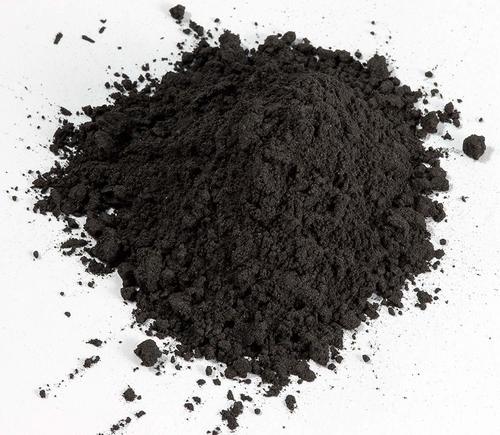
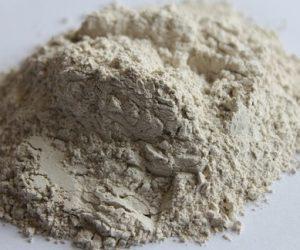
About Dolomite
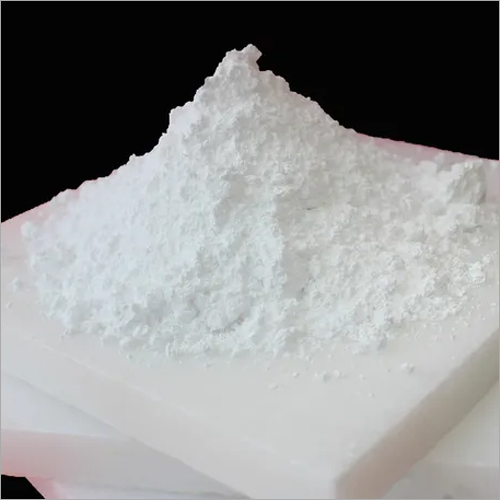
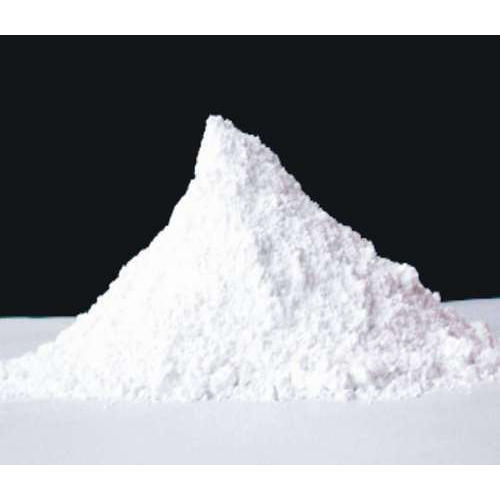
Dolomite is Calcium Magnesium Carbonate Which is Easily Available From the Mines. Dolomite Mineral is a Double Carbonate of Calcium and Magnesium and It Exhibits a Granular Structure. It Has High Natural Whiteness and is Noted for Their Ease of Dispersion. Its Use Improves Properties Such as Weather Ability, Reduces Shrinkage and Water Absorption.
Applications- Soap & Detergents
- Glass
- Rubber
- Paint
- Plastic
- Rigid Pipes
Key Benefits- Very Less Cost
- High Whitness
- High Filling Property
- High Weather Stability
- Low Oil Absorption
Upto 97-98% Whiteness and Particle Size Avg 2 Microns
Versatile Industrial ApplicationsDolomites unique physical and chemical properties make it integral in steel refining, glass manufacturing, fertilizer production, and construction. Compact structure and stable composition provide efficiency and cost-effectiveness in these applications, supporting industries throughout India.
Superior Refractory CharacteristicsWith its classification as a basic refractory, dolomite excels in high-temperature environments. Excellent dimensional stability, high compressive strength, and low porosity ensure its reliability and longevity, particularly in steelmaking and metallurgical processes.
FAQs of Dolomite:
Q: How is dolomite used in the steel manufacturing process?
A: Dolomite is commonly used as a flux in steel manufacturing. It helps remove impurities, protects the furnace lining due to its basic refractory nature, and contributes to slag formation for efficient refining operations.
Q: What are the benefits of using dolomite in the glass industry?
A: In glass manufacturing, dolomite acts as a source of magnesium oxide and calcium oxide, enhancing glass durability and reducing the melting temperature, which saves energy and improves operational efficiency.
Q: When should dolomite be selected for agricultural applications?
A: Choose dolomite for agriculture when correcting soil acidity is required or when soil magnesium and calcium levels are low. Its high purity ensures optimal effectiveness in improving soil fertility and crop yield.
Q: Where is dolomite best applied in construction projects?
A: Dolomite is suitable for use in construction as a building material and aggregate due to its high compressive strength and low water absorption. It provides stability in roads, concrete, and foundation works.
Q: What is the process of preparing dolomite for various industrial uses?
A: Dolomite is mined and then processed into different forms such as lumps, powder, or granules. It undergoes sizing and purification to achieve the required purity above 95%, ensuring suitability for diverse industry demands.
Q: How does dolomites low porosity and good thermal conductivity benefit metallurgical processes?
A: Low porosity increases its durability at elevated temperatures, while good thermal conductivity helps distribute heat evenly, both of which are essential for efficient performance as a refractory material in metallurgical operations.


 Get Latest Price



 Send Inquiry