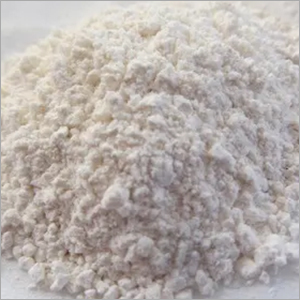
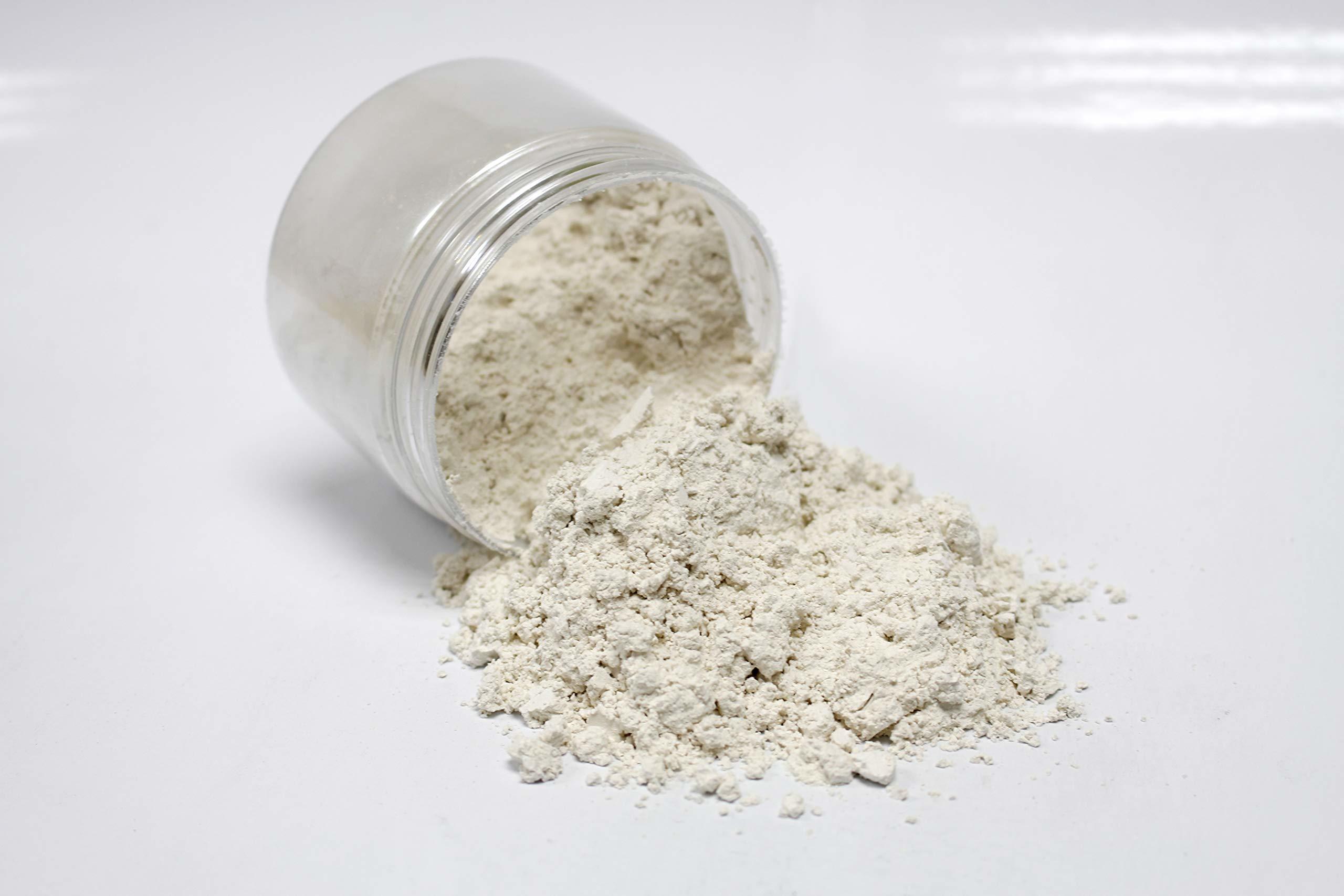
About Hydrous Kaolin
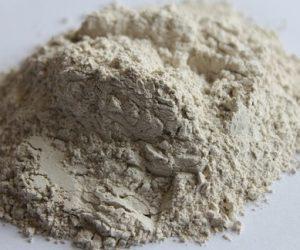
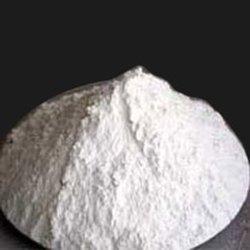
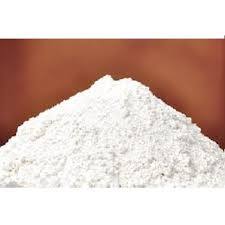
We are known for supplying a wide range of China Clay Powder that is a hydrated aluminum silicate also known as kaolin. From hydrous china clay, Calcined china clay and high whiteness, we offer a full range of china clay with very fine particle size. Its main property is high plasticity and high whiteness. Due to this, It is widely used in Paints, rubber, pesticides, mechanical rubber goods and other chemicals.
We also provide White China Clay Powder which is commonly termed as kaolin that is used in paints, ceramics, medicine, coated paper, as a food additive, in toothpaste, as a light diffusing material in white incandescent light bulbs, and in cosmetics.
APPLICATIONS
- Rubber Parts/Rollers
- Paints & Primers
- Pesticides
- Plastics
- Construction Chemicals.
- Printing Inks
KEY BENEFITS
- High Strength
- Smoothness
- High Opacity
- High Whiteness
- High Plasticity
- Chemically Stable
Grades: Hydrous Kaolin ( Upto 90% Whiteness)
Versatile Applications Across IndustriesHydrous Kaolins unique chemistry and physical properties make it a valued ingredient in multiple sectors. In paper, it enhances printability and brightness; in ceramics and refractories, it provides thermal insulation and structural stability. Its low water absorption and fine powder form also make it ideal for use in rubber and paints, contributing to product durability and consistency.
Exceptional Physical and Chemical PropertiesWith a white appearance, fine surface finish, and high melting point of 1770C, Hydrous Kaolin possesses low thermal conductivity and high porosity. These characteristics support its use in applications where insulation and stability are required. Its composition, Al2O32SiO22H2O, ensures an effective performance as a functional additive across many industrial platforms.
FAQs of Hydrous Kaolin:
Q: How is Hydrous Kaolin utilized in the paper and paint industries?
A: Hydrous Kaolin is commonly used as a filler, extender, and coating pigment in the paper and paint sectors. In paper, it improves print quality and brightness, while in paints, it enhances opacity and texture, resulting in a finish that is both smooth and durable.
Q: What benefits does Hydrous Kaolin offer for ceramic and refractory applications?
A: For ceramics and refractories, Hydrous Kaolin provides good dimensional stability, low thermal conductivity, and excellent insulating properties due to its high melting point and high porosity. This ensures that ceramics remain structurally sound and refractories can withstand high temperatures effectively.
Q: When is Hydrous Kaolin preferred over other types of kaolin in industrial processes?
A: Hydrous Kaolin is preferred when high brightness, fine surface finish, and insulating characteristics are required, especially where moderate strength and low water absorption are suitable. Its specific chemistry is advantageous in applications demanding a combination of whiteness and stability.
Q: Where are the main sources and suppliers of Hydrous Kaolin?
A: Hydrous Kaolin is mainly distributed, exported, and supplied by manufacturers and traders in India, ensuring widespread availability for industries both locally and internationally.
Q: What is the typical process for using Hydrous Kaolin in rubber manufacturing?
A: This kaolin powder is incorporated into rubber compounding as a filler to enhance mechanical strength, control viscosity, and improve the finished products durability without compromising its flexibility.
Q: How does Hydrous Kaolin contribute to product performance in refractories?
A: In insulating refractories, Hydrous Kaolins low thermal conductivity and good dimensional stability help maintain optimal temperature regulation and structural integrity, enhancing overall energy efficiency and lifespan of refractory linings.


 Get Latest Price



 Send Inquiry