About Precipitated Silica
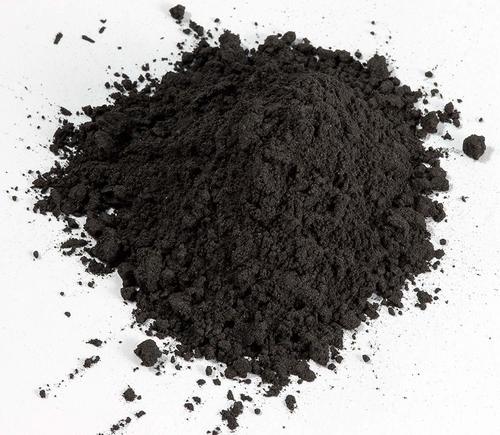
NATURAL SILICA / QUARTZ POWDER:
We have established ourselves among the most reliable Supplier of silica in the region. We offer A-grade Silica Powder with more than 96% whiteness. The White Silica Powder having purity of more than 99.5% Sio2. Our Natural Silica Crystal Powder is available in 150 mesh, 300 mesh, 500 mesh, 10 microns D-97.
APPLICATION :
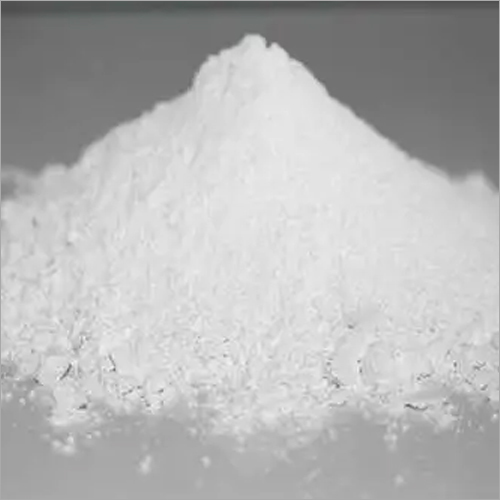
PRECIPITATED SILICA POWDER: Precipitated silica, a form of synthetic amorphous silicon dioxide, is derived from quartz sand, a crystalline form of silicon dioxide. The physical properties of precipitated silica can be manipulated during the manufacturing process to deliver products with a wide range of performance-enhancing features engineered for many different end-use applications.
As one of the pioneers of precipitated silica,we have more than 40 years of experience developing precipitated silica for customers in the following industries :
- Tire
- Industrial rubber
- Silicone rubber
- Footwear
- Agricultural and Industrial
- Coatings, paints and inks
- Adhesives and sealants
- Battery separator
DIFFERENT GRADES
| MATERIAL GRADE | SILICA PPT-15 | SILICA PPT-20 | SILICA PPT-SP (~VN-3) |
| BULK DENSITY (GM/LIT) | 80-110 | 120-150 | 250-300 |
| SURFACE AREA (BET) | 175-190 | 120-150 | 175-190 |
| MOISTURE CONTENT (%) | 5 MAX | 5 MAX | 5 MAX |
| SiO2 CONTENT (%) | 98 MIN | 98 MIN | 98 MIN |
| PH | 7-8 | 7-8 | 7-8 |
Key Features of Precipitated SilicaPrecipitated Silica stands out for its high purity (>98% SiO2), fine average particle size (540 microns), and amorphous white powder form. Its significant oil absorption capacity and highly porous structure improve performance in a broad array of formulations. The product exhibits excellent dimensional stability, low bulk density, and is packaged in sturdy HDPE bags of 25 kg, 50 kg, or custom sizes for convenience and safety.
Diverse Applications and UsesOwing to its unique properties, Precipitated Silica is extensively used as a reinforcing agent and thickener in rubber and plastics, a cleaning and polishing agent in toothpaste, an anti-caking agent in food processing, and as a matting and thickening agent in paints and coatings. It is also highly valued in the pharmaceutical and cosmetic industries for its reactivity, safety, and functional versatility.
FAQs of Precipitated Silica:
Q: How is Precipitated Silica produced and what ensures its high purity?
A: Precipitated Silica is synthesized via controlled precipitation from a sodium silicate solution using acidification, followed by washing, filtering, and drying. Stringent process controls maintain its high purity, typically resulting in over 98% silicon dioxide content.
Q: What are the main benefits of using Precipitated Silica in industrial applications?
A: Industries benefit from Precipitated Silicas high porosity, superior oil and water absorption, good mechanical strength, low thermal conductivity, and remarkable dimensional stability. These properties enhance filler performance, improve product texture, and enable specialized applications across sectors such as rubber, plastics, and cosmetics.
Q: When should Precipitated Silica be chosen over other fillers?
A: It is preferred when applications demand high purity, strong reinforcing properties, or elevated absorption capabilities. Its amorphous form and fine particle size make it ideal for rubber compounding, improving toothpaste abrasiveness, and serving as an anti-caking or thickening agent in food and paints.
Q: Where is Precipitated Silica typically used?
A: This material is commonly found in tires, industrial rubber goods, plastics, paints, coatings, toothpaste, cosmetics, food additives, and pharmaceuticals. Its versatility allows it to fit seamlessly into products requiring reinforcement, clarification, or viscosity control.
Q: What packaging options are available for Precipitated Silica distribution?
A: Precipitated Silica is supplied in robust 25 kg and 50 kg HDPE bags to ensure safe transportation and ease of handling. Customized packaging solutions are also available to meet specific customer requirements.
Q: How does the physical form and structure of Precipitated Silica influence its functionality?
A: The amorphous, highly porous powder structure increases surface area, boosting its oil and water absorption. This enhances its efficiency as a filler, thickener, and matting agent across multiple industrial uses.


 Get Latest Price



 Send Inquiry