About Carbon Black
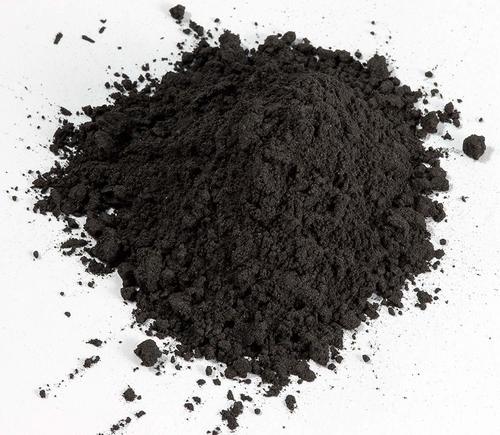
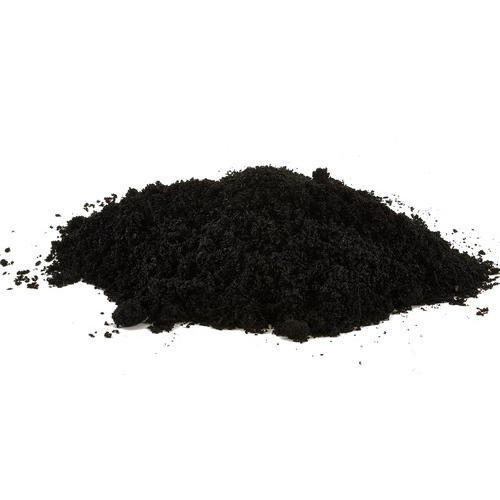
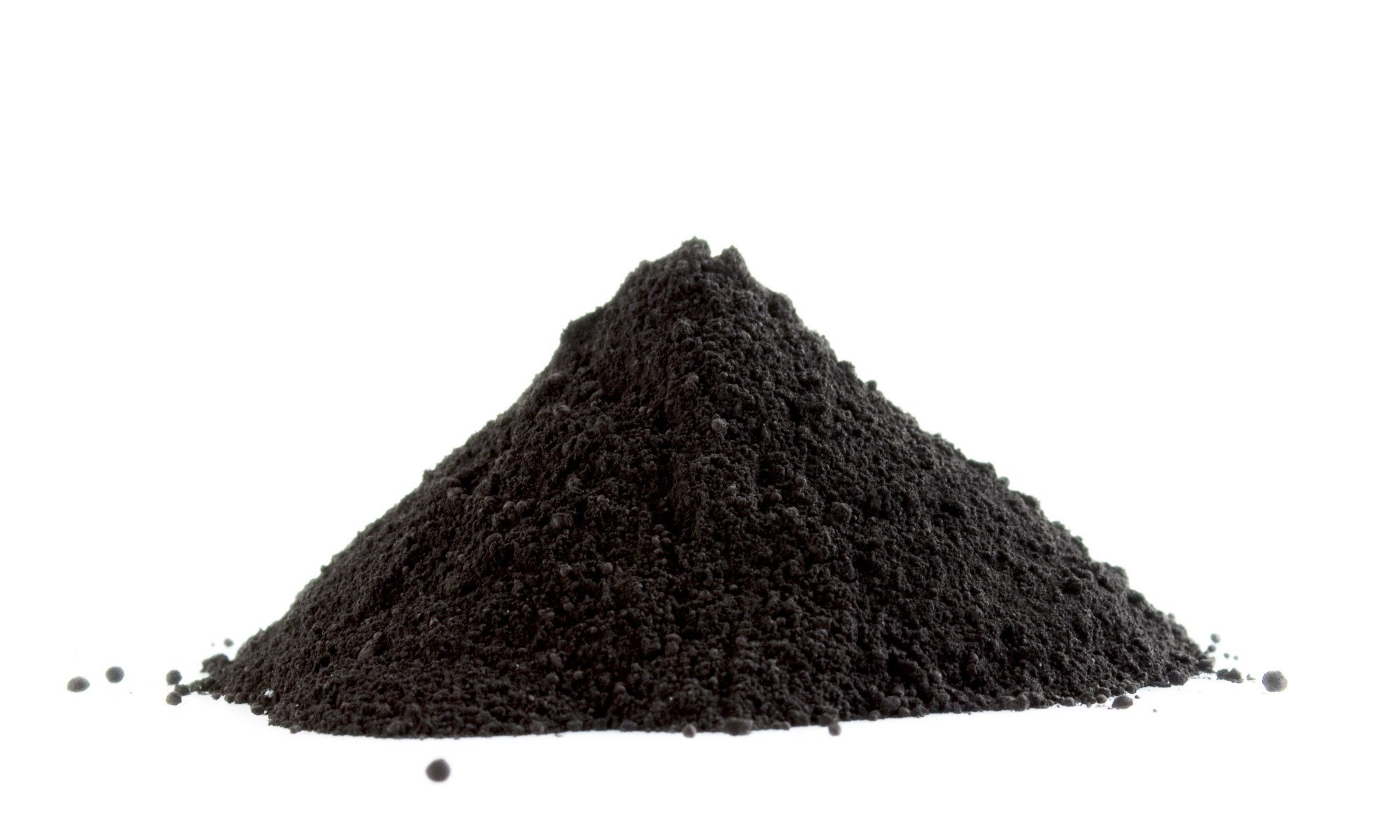
Carbon black is defined as elemental carbon with tarbostatic structure, derived from the incomplete pyrolis is of fossil oil. Carbon black is produced through the controlled incomplete combustion of hydrocarbons. Carbon black is actually elemental carbon in the form of fine particles with an amorphous molecular structure It is very used in paint and rubber industries.
Advantages
- Reinforcing agent for rubber
- Improved fracture behaviour
- Abrasion resistant
- Tear resistant
- Improved dynamic mechanical properties
- Provides jetness in paint industry
Application
- Rubber & tyres
- Paint
- Plastics
- Inks
- Other chemical industries
AVAILABLE GRADE:- N-220 : N-330 : SUPERFINE
Exceptional Thermal and Structural PerformanceDesigned for environments involving extreme heat, this grade of Carbon Black maintains structural integrity at temperatures up to approximately 3000C. A high tensile strength and excellent dimensional stability further enable it to perform reliably in rigorous applications, such as in the manufacture of industrial rubber and high-performance plastics.
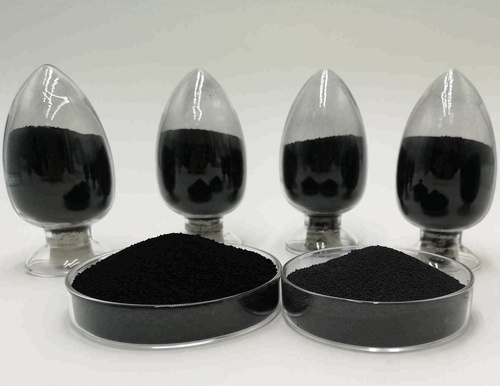
Versatile Applications Across IndustriesCarbon Blacks unique propertiesincluding a fine powder form, high purity, and good electrical conductivity (variable by grade)make it a versatile material. Common uses include pigmentation of paint and printing inks, reinforcement of automotive tires, battery electrode fabrication, and as a filler or additive in plastic manufacturing.
Safe Storage and Flexible PackagingTo ensure extended usability, Carbon Black should be stored in cool, dry, and ventilated areas, away from sunlight. Offered in customizable 25 kg bags, the packaging suits various storage and distribution needs. Proper storage preserves its properties indefinitely, providing ongoing value for manufacturers, suppliers, and distributors worldwide.
FAQs of Carbon Black:
Q: How should Carbon Black be stored to ensure maximum shelf life?
A: Carbon Black should be kept in a cool, dry, and well-ventilated space, away from direct sunlight, to prevent clumping and preserve its powder form. When stored under these conditions, its shelf life is effectively indefinite.
Q: What are the primary industrial applications of this heat-resistant Carbon Black?
A: This grade of Carbon Black is primarily used in the rubber and plastic industries for reinforcing materials, in tire and battery manufacturing, and as a black pigment in paints and printing inks due to its high purity and stable color.
Q: When is the best time to utilize Carbon Black in the production process?
A: Carbon Black is typically incorporated during material compounding or mixing stages, such as blending with rubber or plastic polymers, or as a dispersion in paints and inks to achieve the desired color and performance characteristics.
Q: Where does Carbon Black derive its stability at high temperatures?
A: Its chemical compositionover 99% carbonand crystalline structure give Carbon Black its excellent thermal resistance and structural integrity, allowing it to withstand temperatures up to approximately 3000C without degradation.
Q: What are the benefits of using Carbon Black with high porosity and low water absorption?
A: High porosity enhances surface area for functionalization, while negligible water absorption makes it ideal for use in moisture-sensitive applications, ensuring product consistency and electrical performance in batteries and conductive materials.
Q: How is Carbon Blacks electrical conductivity determined for specific uses?
A: Electrical conductivity varies by grade and is assessed through laboratory testing. This allows manufacturers to select specific Carbon Black types tailored for antistatic or conductive applications, such as in electronic components or batteries.
Q: What process is used to incorporate Carbon Black in plastics and rubbers?
A: Carbon Black is typically dispersed into polymer melts or rubber matrices through mixing or extrusion processes, ensuring uniform distribution that improves mechanical strength, UV resistance, and coloration.


 Get Latest Price




 Send Inquiry