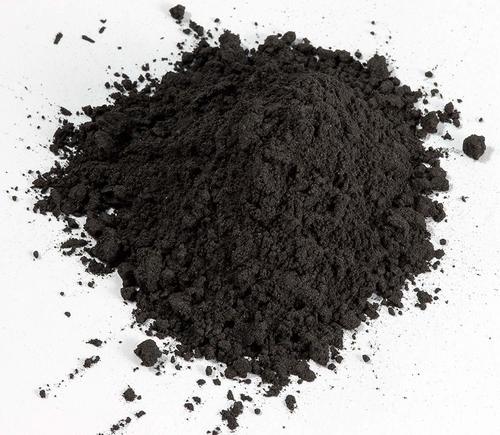
About Zinc Stearate
Zinc Stearate is formed by combining stearic acid with zinc oxide, the latter of which is an organic white-powder compound that is insoluble in water and odourless. In comparison to other metallic stearates, zinc stearate has a low melting point (120C) meaning it spreads very evenly when heated.
Zinc stearate is mainly used in the plastics and rubber industries, where it is used as a lubricant and release or powdering agent.
Zinc stearate functions as an acid scavenger and processing aid in certain polyolefin applications.
In addition, it improves the abrasiveness of sandpapers, and acts as a matting agent in paints and coatings. In construction, powdered zinc stearate is utilized as hydrophobic agents for plasters
Applications
- Cosmetics
- Paints & coatings
- Rubber industry
- Plastics
- Construction Chemicals
- Pharmaceuticals
Key Benefits- Very high lubricancy
- Processing Aid
- High heat stability
- Corrosion Resistance
- Very Less Abrasiveness
- Chemically Stable
Versatile Release Agent and LubricantZinc Stearate is highly valued in the plastic and rubber sectors as an effective release agent and lubricant. Its smooth powder form ensures even dispersion, minimizing friction and facilitating the effortless removal of finished products from molds. This versatility is further enhanced by its chemical stability, making it suitable for various manufacturing processes without compromising product quality.
Application in Paints and CoatingsBecause of its insolubility in water and compatibility with aromatic hydrocarbons, Zinc Stearate is a staple in paints and coatings. It acts as a flatting agent, improving the surface finish and offering enhanced texture control. Its fine powder form supports uniform mixing and contributes to the desired opacity and smoothness in the final coatings.
Reliable Quality and StorageManufactured and exported by reputable suppliers in India, Zinc Stearate guarantees consistent performance, boasting a shelf life of 24 months when stored properly. Its low moisture content and high stability ensure the product maintains its integrity over time, making it a dependable ingredient in industrial applications that require repeatable performance and quality.
FAQs of Zinc Stearate:
Q: How is Zinc Stearate typically used in the plastic and rubber industries?
A: Zinc Stearate is widely employed as a lubricant and release agent, facilitating the easy removal of molded parts from equipment. It reduces friction and prevents components from sticking, which optimizes production efficiency and ensures a smooth surface finish on the final product.
Q: What is the recommended process for storing Zinc Stearate to maintain its shelf life?
A: To preserve Zinc Stearates 24-month shelf life, it should be stored in a cool, dry place in airtight containers. Avoid exposure to moisture and high temperatures, which could affect its powdery texture and chemical composition.
Q: When should Zinc Stearate be used in the paint and coatings industry?
A: Zinc Stearate should be incorporated when a smooth, matte finish and enhanced texture control are desired. Its insolubility in water allows it to work well with oil-based and solvent-based paints, serving as a flatting agent for improved application characteristics.
Q: What are the benefits of Zinc Stearates chemical stability and low moisture content?
A: The high chemical stability ensures that Zinc Stearate does not react undesirably with other materials or degrade during storage, maintaining consistent quality. Its moisture content of less than 1% prevents clumping, caking, or performance issues, making it reliable for demanding industrial processes.
Q: Where is Zinc Stearate primarily manufactured and exported from?
A: This product is predominantly manufactured, supplied, and exported from India by experienced distributors, exporters, manufacturers, suppliers, and traders catering to both domestic and global industrial markets.
Q: What solvents can dissolve Zinc Stearate if it is insoluble in water?
A: Although Zinc Stearate is insoluble in water, it dissolves in aromatic hydrocarbons such as benzene and toluene, supporting its use in solvent-based industrial applications and formulations.


 Get Latest Price



 Send Inquiry