About Soya Lecithin
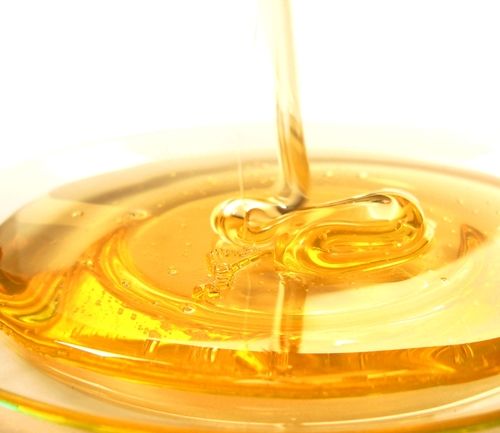
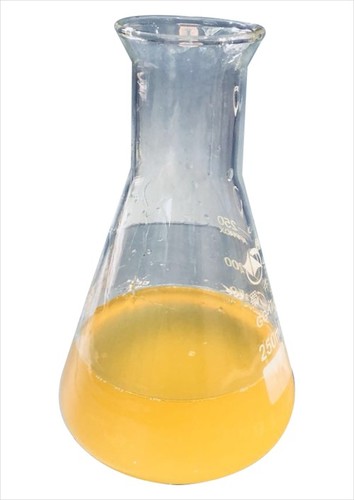
Soya Lecithine - Physical State :- Amber Fluid:- Visual
- Acentone Insolubles :- 62 % Min :- AM 140
- Benzene Insolubles :- 0.3 % Max :- AM 153
- Moisture :- 1 % Max. :-AM 133
- Viscosity at 25 C :-12,000 CP Max.:-AM 154
- Acid Value :- 32 Max. :- AM 138
Information obtained in these studies is based on material and Laboratory tests belived to be reliable, however no guarantee is implied or expressed regarding the accuracy of these data or the products.
Versatile Composition and Superior StabilityContaining over 60% phospholipids alongside essential triglycerides, glycolipids, and carbohydrates, Soya Lecithin ensures effective emulsification and stabilization across many industry sectors. Its inherent stability under routine storage extends shelf life and functional reliability, making it a preferred ingredient and additive.
Diverse Applications Across Key IndustriesSoya Lecithin is indispensable in foods for smoothing textures, in pharmaceuticals as a reliable excipient, in cosmetics for moisture retention, in animal feed for nutritional enrichment, and in industrial uses for its emulsifying capabilities. Its ability to interact with both water and oil enhances product appeal and performance in each domain.
FAQs of Soya Lecithin:
Q: How is Soya Lecithin typically used in the food industry?
A: Soya Lecithin acts as an emulsifier, stabilizer, and improving agent in food products such as chocolates, baked goods, and dairy creams, helping to blend ingredients smoothly and enhance texture and shelf life.
Q: What benefits does Soya Lecithin offer in pharmaceuticals and cosmetics?
A: In pharmaceuticals, it serves as a carrier and emulsifier for active ingredients, promoting even dispersion. For cosmetics, its hydrophilic and lipophilic properties aid in formulation of creams and lotions, improving moisture retention and stability.
Q: When should Soya Lecithin be added during processing?
A: Soya Lecithin is generally introduced during the blending or mixing stages, either dissolved in oil or melted, depending on the formulation requirements of the food, pharmaceutical, or cosmetic product.
Q: Where does Soya Lecithin originate and how is it supplied in India?
A: Soya Lecithin is derived from soybeans and is produced and distributed by leading manufacturers, exporters, and suppliers throughout India. It is available in bulk quantities for a variety of industrial and commercial needs.
Q: What process is used to manufacture Soya Lecithin?
A: It is produced by extracting crude lecithin from degummed soybean oil, followed by purification and standardization, resulting in a clear viscous liquid with a phospholipid concentration exceeding 60%.
Q: How does Soya Lecithins chemical composition affect its performance?
A: The high phospholipid content imparts excellent emulsifying and stabilizing properties, while the presence of triglycerides and glycolipids enhances its versatility in blending water and oils across applications.
Q: Can Soya Lecithin withstand variations in temperature and storage?
A: Yes, Soya Lecithin remains dimensionally stable under normal storage conditions and does not exhibit significant thermal conductivity during typical use, ensuring product reliability.


 Get Latest Price



 Send Inquiry